
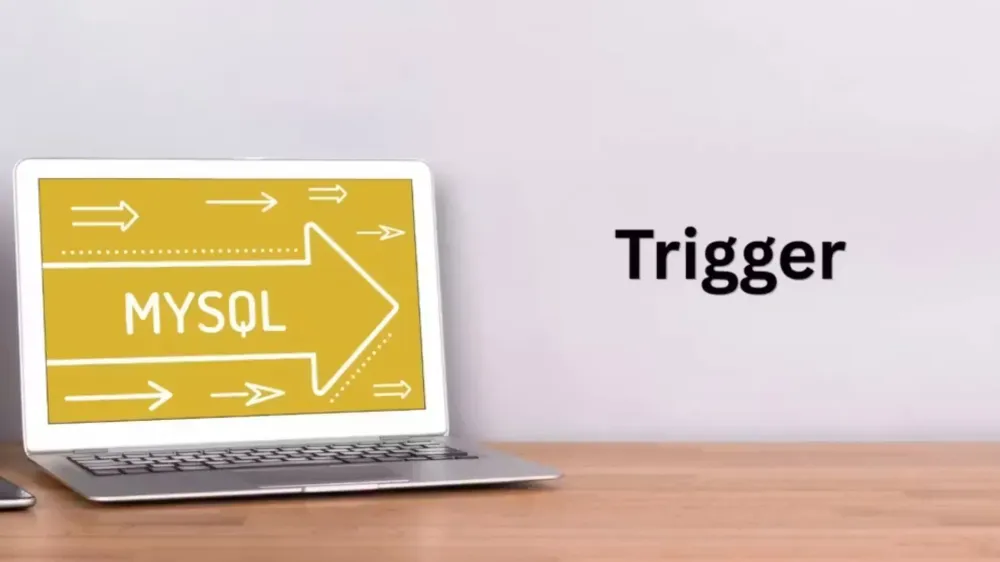
Definition of Trigger
Trigger is a collection of scripts or commands related to a table or view that will activate automatically when a certain event occurs.
These events include DML (Data Manipulation Language) operations such as:
INSERT(Creating new data)UPDATE(Modifying data)DELETE(Deleting data)
The execution time of a trigger can be set before (BEFORE) or after (AFTER) the SQL statement is executed.
Example Application: Automatically recording all failed MySQL activities in creating new records due to technical issues, such as network connection loss.
Benefits of Using Triggers
- Process Standardization
Triggers are created once and stored directly in the database. This ensures that all clients will execute the same operations and process standardization. - Easy to Update
When a trigger is updated on the server side, all clients will automatically use the latest updated version without needing to change code on their application side. - Improves Team Collaboration
Because it is stored on the database server, all development team members can access and utilize it, even if they use different programming languages. - Increases Process Efficiency
Triggers are stored on the server in a compiled form. This makes execution faster and reduces network traffic load. - Simpler Programs
Applications no longer need to write additional commands or complex logic to detect data changes, making the program code cleaner and simpler.
Types of Triggers
In general, triggers can be divided into two main categories based on where the event occurs:
| Trigger Type | Description / Function | Example Event |
|---|---|---|
| Database Trigger | A trigger that activates due to direct changes or data manipulation on the database table. | DML operations (INSERT, UPDATE, DELETE). |
| Application Trigger | A trigger that activates when triggered by certain events or interactions within the application. | User presses a specific button, opens a form, etc. |
Tags:
#Programming
Related Articles

W
Written by
Wilan
A regular contributor to Bali Island Tekno who actively shares knowledge about technology, programming, and the world of software engineering.
Back to Home
Updated on: June 6, 2026