What is IPTV?
IPTV stands for Internet Protocol Television, a service for watching TV broadcasts or videos using an internet connection. Unlike cable TV or satellite TV that use special cables or dishes, IPTV delivers content through the internet.
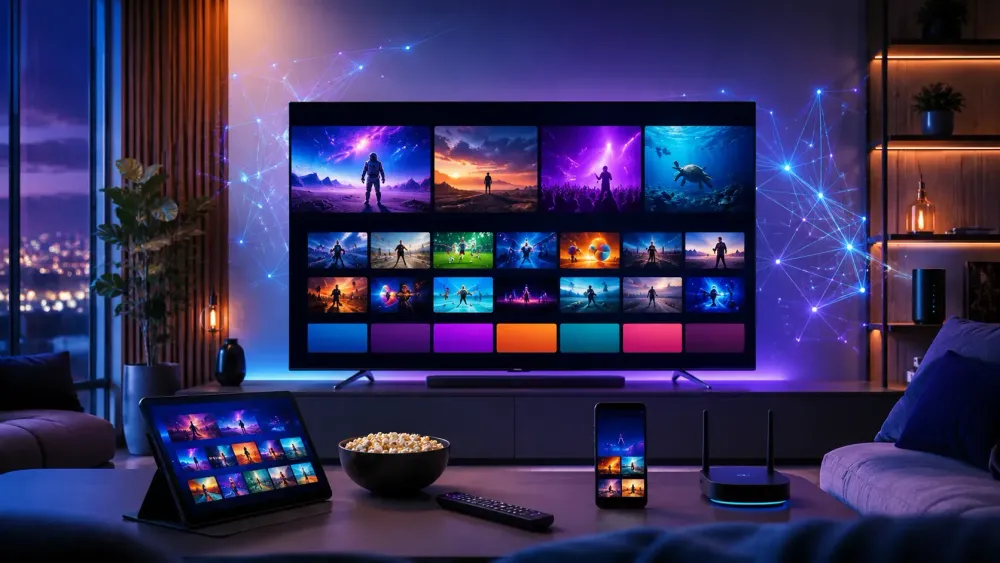
Simply put, IPTV allows you to watch TV shows, movies, series, sports, news, or other entertainment content via devices connected to the internet. These devices can be Smart TVs, Android TV boxes, smartphones, tablets, laptops, or computers.
Today, IPTV is becoming increasingly popular because of its flexible viewing options. You don't have to wait for scheduled broadcasts like traditional TV. Some IPTV services also offer video on demand features, allowing you to choose what to watch at any time.
How IPTV Works
How IPTV works is actually quite simple. When you select a channel or video, your device sends a request over the internet to the IPTV provider's server. Then, the server sends the content as digital data to your device.
This data is then processed into images and sound that you can watch in real time. Because everything depends on the internet, IPTV quality is heavily influenced by connection speed and stability.
If the internet is stable, streaming can run smoothly in HD or even 4K quality. However, if the internet is slow or frequently drops, the stream may buffer, stutter, or the image quality may automatically decrease.
Types of IPTV Services
Generally, IPTV has several types of services that are commonly used.
1. Live TV
Live TV is real-time broadcasting like regular TV. Examples include news, sports, entertainment, music, children's channels, and more. The difference is that it is watched via an internet connection.
2. Video on Demand
Video on Demand allows users to choose their own content. For example, movies, series, documentaries, or specific shows. The concept is similar to streaming platforms, where you can watch anytime you want.
3. Time-Shifted TV
This feature allows you to watch past broadcasts. So if you miss a favorite show, you can still watch it again within a certain period, depending on the service used.
Advantages of IPTV
One reason IPTV is highly sought after is its flexibility. You can watch from various devices as long as there is an internet connection. This makes IPTV more practical than conventional TV.
Additionally, the selection of channels and content is usually more diverse. Some services offer local and international channels, movies, sports, and children's content in one package.
IPTV also often includes additional features such as pause, rewind, catch-up TV, and video on demand. These features make the viewing experience more modern and convenient.
In terms of quality, IPTV can also display clear images if the internet connection supports it. Many services already offer HD to 4K quality, making it suitable for users who want a better viewing experience at home.
Disadvantages of IPTV
Although attractive, IPTV also has some drawbacks. The biggest drawback is its reliance on the internet. If the connection is unstable, the viewing experience can be disrupted.
Furthermore, not all IPTV services have official licenses. There are many illegal IPTV services that offer thousands of channels at very low prices, but the source of the content is unclear. Such services carry risks, both in terms of data security, service quality, and legality.
Some illegal IPTV services can also suddenly stop operating without notice. As a result, users who have paid may lose access immediately.
Is IPTV Legal?
IPTV is basically legal if the service has official permission to broadcast content. Examples include official streaming services, internet-based subscription TV, or digital platforms that cooperate with rights holders.
However, IPTV becomes problematic if it broadcasts channels, movies, sports, or premium content without permission. Such services typically offer very low prices and a very long list of channels, including paid international channels.
Therefore, before subscribing to IPTV, it is important to ensure that the service is official, has a good reputation, and does not offer pirated content.
Tips for Choosing an IPTV Service
Before choosing an IPTV service, make sure to pay attention to several important things. First, check the legality and reputation of the service provider. Choose a service that is clear, has an official website, contact information, and reasonable user reviews.
Second, consider the server quality. A good IPTV service usually has stable streaming, minimal buffering, and consistent image quality.
Third, tailor it to your needs. If you only want to watch movies and series, choose a service that excels in video on demand. If you like sports, make sure the service provides official sports channels.
Fourth, don't be easily tempted by prices that are too cheap. Cheap prices are attractive, but if they are too unrealistic, you need to be cautious.
Fifth, make sure your device is compatible. Some IPTV services can only be used on specific apps, while others can be used on Smart TVs, Android TV, iOS, or laptops.
Conclusion
IPTV is a technology for watching TV and videos through an internet connection. This service offers many conveniences, from a diverse selection of channels, video on demand features, to the flexibility of watching from various devices.
However, before using IPTV, you need to be more careful in choosing a service. Ensure that the service you use is legal, safe, stable, and suits your needs. By choosing the right IPTV service, your home viewing experience can become more comfortable, practical, and enjoyable.